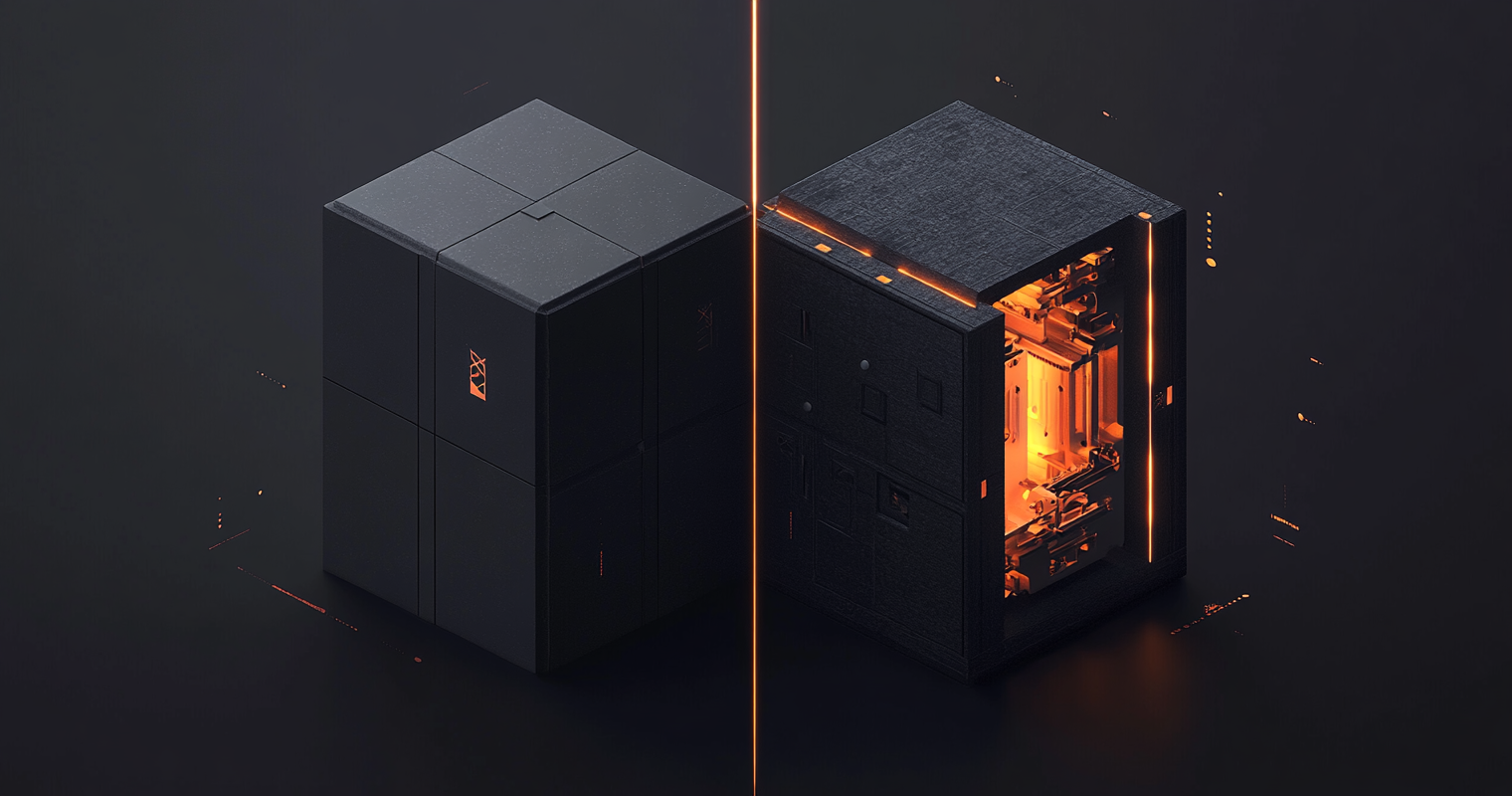
At some point, every growing business faces the same question: do we keep patching things together with off-the-shelf tools, or do we invest in something built specifically for us?
It's not a straightforward decision.
Off-the-shelf software can be brilliant - until it isn't. And custom software can be transformative - but only when it's the right call. The trick is knowing which side of that line you're on.
When Off-the-Shelf Makes Sense
There's no shame in using existing tools. If your needs are common, well-defined, and unlikely to change dramatically, buying is often the sensible choice. Accounting software, email marketing platforms, basic CRM systems - these are solved problems. Thousands of businesses use them in roughly the same way, and the products are mature, well-supported, and affordable.
The buy route works best when the tool does at least 90% of what you need without significant workarounds, the cost is predictable and sustainable, you don't need deep integration with other systems, and your workflows can adapt to the software without friction.
If all of that holds true, buying is probably the right move. Save your budget for where it matters most.
Where Off-the-Shelf Starts to Break Down
Problems tend to emerge gradually. You start with a tool that mostly works, then you add a workaround. Then another. Before long, your team is spending hours each week on manual processes that exist purely because the software wasn't designed for how you actually operate.
Common warning signs include relying on spreadsheets to fill gaps between systems, paying for multiple tools that overlap but don't talk to each other, spending more time working around the software than working with it, hitting feature limits or pricing tiers that don't scale with your growth, and needing functionality that simply doesn't exist in any product on the market.
When you reach this point, the real cost of off-the-shelf isn't the subscription - it's the lost time, the inefficiency, and the opportunities you can't pursue because your tools won't let you.
When Custom Software Becomes the Right Investment
Custom software makes sense when your business processes are genuinely unique, or when the way you work is a competitive advantage you want to protect and build on.
This is especially true for businesses that have outgrown generic tools and need something that fits their actual workflows, companies whose operations span multiple systems that need to work together seamlessly, teams building a product or platform that will be central to their revenue, and organisations dealing with complex data, compliance requirements, or industry-specific logic that off-the-shelf tools can't handle.
The key question isn't whether custom software is better - it's whether your situation demands it. If your processes are standard, don't overcomplicate things. But if your business relies on doing things differently, your software should reflect that.
The Costs You Should Actually Compare
A common mistake is comparing the upfront cost of custom development against the monthly subscription of a SaaS tool and concluding that buying is cheaper. That comparison misses the full picture.
With off-the-shelf software, you're also paying for ongoing subscriptions that increase over time, the hidden cost of workarounds and manual processes, integration tools and middleware to connect systems, and the risk of being locked into a vendor's roadmap and pricing decisions.
With custom software, you own the result. You control the roadmap. And the system is built to reduce the exact inefficiencies that are costing you time and money today.
That doesn't mean custom is always cheaper - it often isn't in the short term. But over two to three years, the total cost of ownership frequently tips in favour of a bespoke solution, especially when you factor in productivity gains.
A Simple Framework for Deciding
Ask yourself three questions. First, can an existing tool handle at least 90% of what we need without significant workarounds?
If yes, buy. If not, keep going.
Second, are our processes or requirements genuinely different from the standard? If they are, custom is worth exploring.
Third, will this system be central to how we operate or generate revenue? If the answer is yes, you want to own it.
Making the Move
If you've landed on the custom side, the most important thing is getting the foundations right. That means working with experienced engineers who take the time to understand your business before writing a single line of code - people who'll challenge your assumptions, simplify where possible, and build something that lasts.
If you're weighing up your options and want an honest conversation about whether custom software is the right fit, get in touch. We're always happy to talk it through -no commitment, no pressure.